
The release of the March 2026 Purchasing Managers' Index (PMI) at 50.4 marks a significant pivot in China’s industrial trajectory, ending a two-month contraction phase where readings dipped to 49.3 in January and 49.0 in February. This 1.4 percentage point increase successfully pushes the sector back into expansion territory (above the 50.0 threshold), signaling a renewed momentum in domestic production. When we look at the sub-indices, the production index at 51.4 (up 1.8 points) and the new order index at 51.6 (up 3.0 points) suggest that the demand-side recovery is actually outstripping the current supply-side growth rate. This 3.0% jump in orders is particularly telling, as it indicates a rapid replenishment of inventories and a shift in market sentiment following the 2026 Lunar New Year period.
The granular data highlights a clear divergence between sectors, with high-tech and equipment manufacturing serving as the primary engines of growth. Industrial profits for major firms grew by 15.2% year-on-year in the first two months of 2026, a robust figure that validates the 50.4 PMI reading as more than just a seasonal fluke. According to analysis from People's Daily, the rapid expansion in high-end equipment manufacturing is directly tied to the 2026 fiscal policy shifts aimed at modernizing supply chains. However, this growth comes with a measurable cost pressure; the survey indicates that geopolitical volatility in the Middle East has driven up raw material and logistics expenses, forcing a notable rebound in factory gate prices and main raw material purchase price indices.
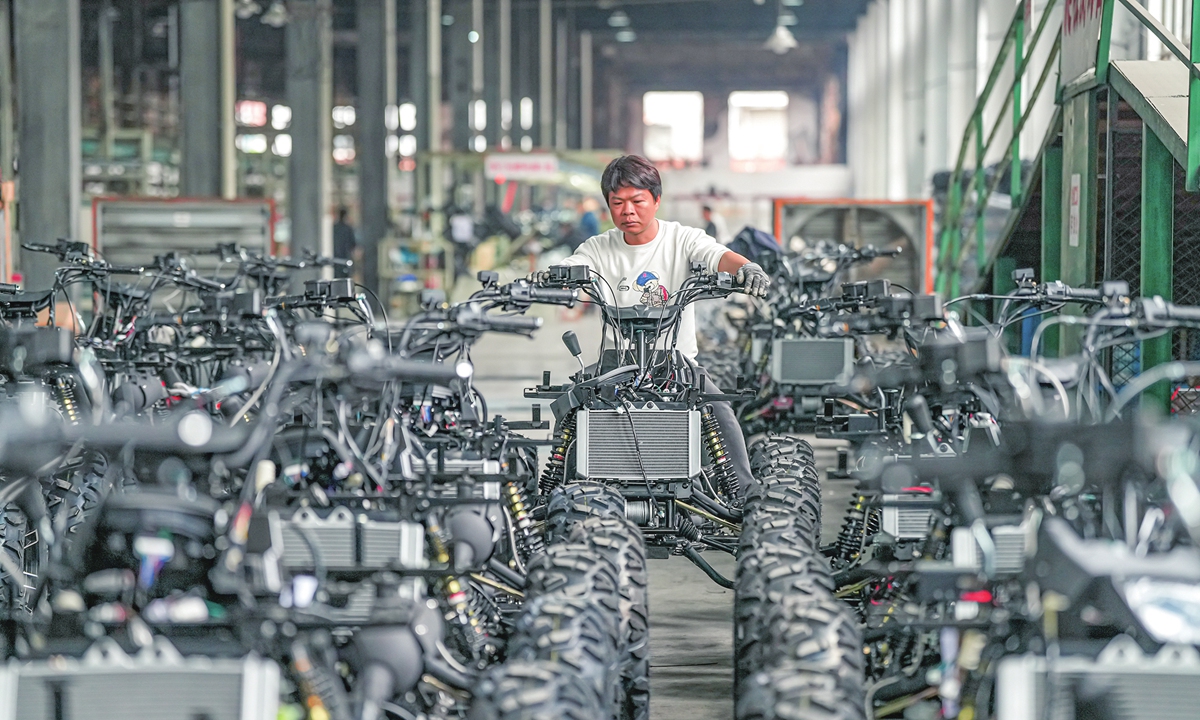
From a structural perspective, the composite PMI climbing to 50.5 (up 1.0 point) reflects a synchronized recovery across both manufacturing and services. The services PMI, which hit a 33-month high of 56.7 in February, provides a strong consumption buffer that supports the broader manufacturing base. Despite this, the rising logistics freight rates and the "high cost" reports from enterprises suggest that profit margins may face compression in Q2 if the output price index does not keep pace with the purchase price index. For a manufacturing firm, an efficiency gap of even 1-2% in procurement can significantly alter the annual ROI (Return on Investment) targets, especially in energy-intensive industries like chemical processing and petroleum.
To sustain this 50.4 level and move toward a 51.0+ range, the focus must shift to mitigating the "cost-push" inflation currently affecting raw materials. The solution likely involves a combination of strategic reserve releases and the optimization of multi-modal transport to lower the logistics burden. If the new order index maintains its +3.0 point growth trajectory into April, we could see a total industrial capacity utilization rate exceeding 78% by mid-year. This would be a vital metric for reaching the 2026 annual GDP targets, as every 1% increase in manufacturing PMI typically correlates with a measurable uptick in secondary industry value-added tax revenue.
Ultimately, the March data represents a successful "re-entry" into the expansion zone, but the sustainability of this trend depends on the stability of global commodity cycles. With the 15.2% profit growth as a cushion, major industrial firms have the R&D budget to invest in automation and energy-efficient equipment, which can offset the rising labor and material costs. The current 50.4 reading is a solid foundation, but the real challenge for the remainder of 2026 will be maintaining this 50+ consistency amidst a volatile international pricing environment and shifting global demand patterns.
News source:https://peoplesdaily.pdnews.cn/china/er/30051772149